


Originally published on LinkedIn. This work is AI-assisted - read about how I work.
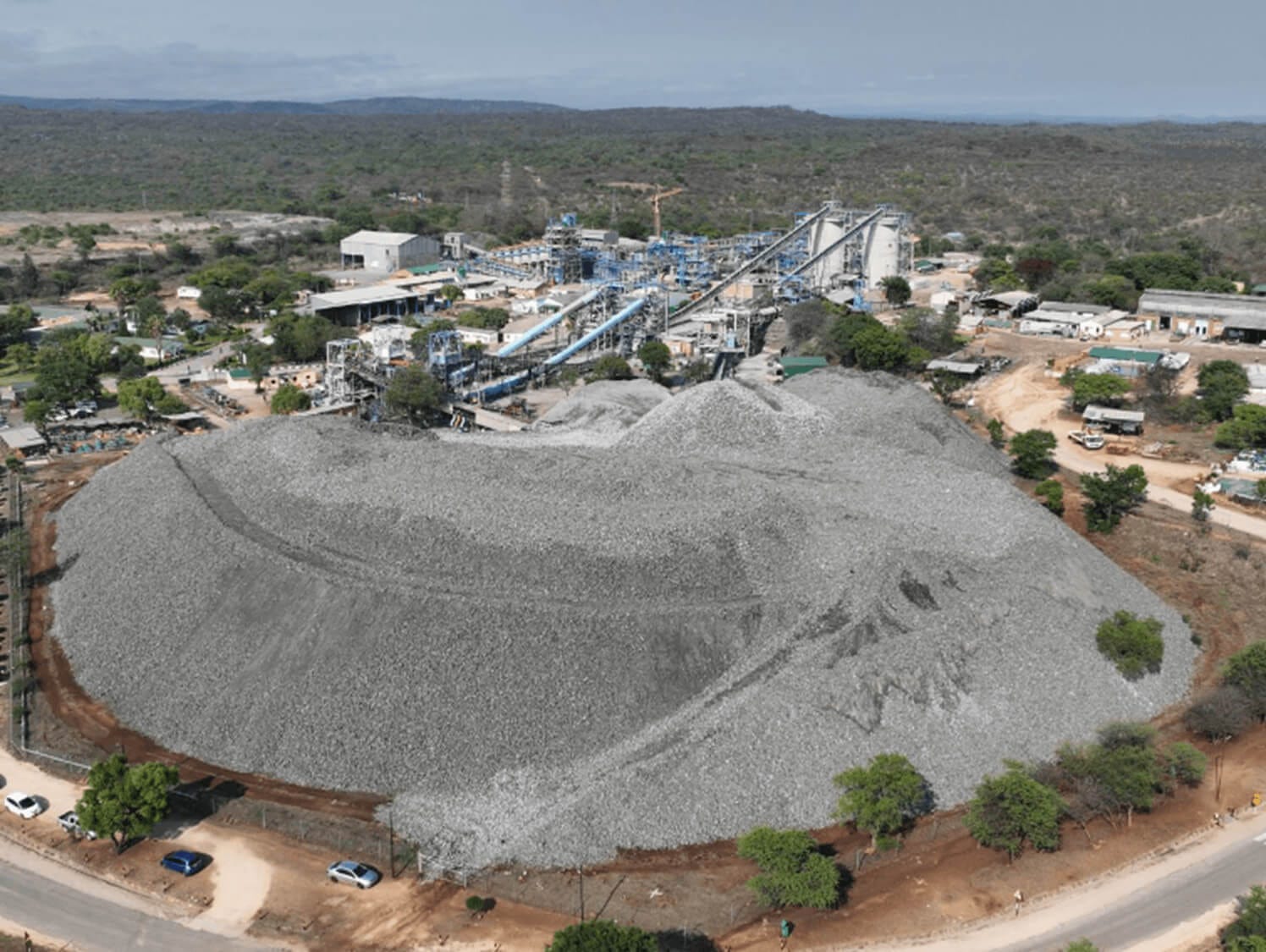
The Ngezi mine is bushland in Mashonaland West, Zimbabwe. Bush pressing up against fences. The Great Dyke running underneath invisible, 550 kilometres long and stubbornly refusing to give up its platinum.
One company controls 87% of Zimbabwe’s largest platinum producer and 50% of its oldest. It did not set out to control both.
From 1926 the Granger Brothers mined surface oxides near Wedza. Operations stopped, restarted, stopped again. After the Granger Bros, Union Carbide took ownership and eventually it passed to Zimasco, before Implats bought into it at 35% in 2001. The next year, Implats raised its stake to 50%. After 70 years, Mimosa is a mature, mechanised bord-and-pillar operation in Zvishavane. The other half of the mine was once owned by Aquarius - since 2016 it belongs to Sibanye-Stillwater.
BHP opened the Hartley mine under Zimbabwe’s first Special Mining Lease: concentrator commissioned, first concentrate shipped. In the Bushveld Complex, miners follow the reef by eye. This technique does not work on the Great Dyke. Struggling to make the reef work, BHP left in June 1999, leaving the Selous plant on care and maintenance.
Zimplats was spun out of Delta Gold in 1998, listed on the ASX with existing infrastructure and the undeveloped Ngezi project already in the portfolio. Implats bought in at 30% in 2001, raised to 87% in 2003. April 2002 saw Ngezi’s first converter matte load out to Springs through the plant BHP left behind.
Mhondoro-Ngezi District was agricultural farmland. Zimplats constructed a town: accommodation, access roads, a shopping mall. 8,857 employees work here today. The Community Share Ownership Trust has completed 162 projects in health and education. Mupani Mine cost US$386 million to develop and has 43 years of mine life remaining.
The Selous smelter now houses the second-largest PGM smelting furnace in the world. The 38MW furnace that was commissioned in FY2025 has tripled capacity to 380,000 tonnes per year. From January 2025, Mimosa toll-smelts through it. Together: more than 840,000 PGM ounces a year, more than half of Zimbabwe’s output.
Implats did not engineer that outcome. It responded to what was available: a JV stake, ruins that were affordable, ground that was ready.
The Great Dyke made the same offer to every bidder. Implats accepted it twice.
This story was first published on LinkedIn on 12 May 2026. You can read the original post and its comments here.