


Originally published on LinkedIn on 5 November 2026. This work is AI-assisted - read about how I work.
Lubambe Copper Mine, Zambia: The concentrator started two months early. Thirteen years later, JCHX reported break-even. (Mining is Human, Story 95)
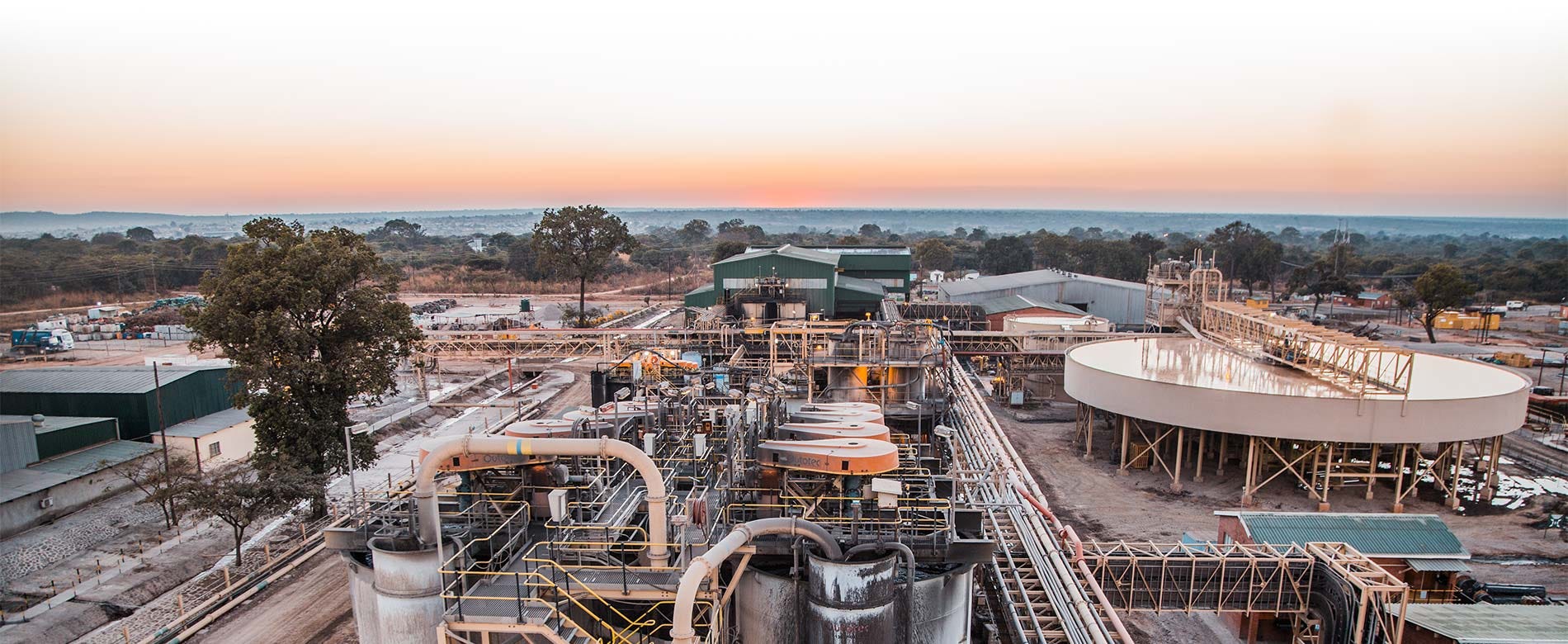
In October 2012, Lubambe’s concentrator started two months ahead of programme. It was designed for 2.5 Mt of ore and about 45,000 t of contained copper a year.
The main challenge lay underground.
Published production figures are sparse, but they help show how the operation developed. In the year to June 2015, Lubambe mined 1.60 Mt of ore. Reuters reported copper output of about 15,000 t in 2023, against design output of about 45,000 t a year.
Lubambe was never a simple orebody. A mineralised shale horizon 3 to 14 m thick folds around the Konkola Dome, with oxide mineralisation complicating recovery. Water added another constraint. The feasibility study anticipated material inflows from about 325 m. In September 2014, Ramp 5 met groundwater at about 250 m, estimated at 5,000 m³ a day.
ARM had already reported concentrate-quality problems in its year ended June 2013. Of 17,878 t of concentrate delivered to the smelter, 2,618 t had been smelted.
The ground itself had been mined before. South Limb production dates to the 1950s, with some stopes within about 54 m of surface. Chililabombwe’s council identifies the Lamba as the area’s indigenous settlers and traces the district’s name to Kililabombwe, croaking frogs that local tradition links to ancestral spirits.
ARM and Vale approved the modern mine in August 2010 and began construction the next month. ZCCM Investments Holdings Plc took 20%; ARM and Vale held 40% each.
Ownership changed as the mine worked through those challenges. In 2017, ARM and Vale sold their combined 80% to EMR Capital for US$97.1m, including shares and shareholder loans. In July 2024, JCHX Mining Construction Group Co.,Ltd took EMR’s 80%. Reuters reported agreed consideration of US$1, alongside assumption of about US$857m of project debt. Later disclosures put JCHX at 70% and ZCCM Investments Holdings Plc at 30%.
By 2014, the development contractor’s team numbered about 405, roughly 12% expatriates, with Zambians working as surveyors, operators and officials.
Lubambe also built the Konkola Health Post and donated it to local government.
Employment moved with the mine’s fortunes: more than 400 contract workers lost their jobs when two contracts ended in 2020, and in 2022 the Mines Minister challenged a proposal to make 178 workers redundant.
By 2025, the operating story had changed.
JCHX’s 2025 annual report says Lubambe reached its overall break-even objective, while concentrator recovery rose from 81.84% to 83.21%.
The concentrator was ready in 2012. Thirteen years later, JCHX reported that Lubambe had reached its overall break-even objective.