


Originally published on LinkedIn on 20 October 2026. This work is AI-assisted - read about how I work.
Crown Mines, South Africa: The strange afterlives of a Johannesburg gold mine (Mining is Human, Story 89)
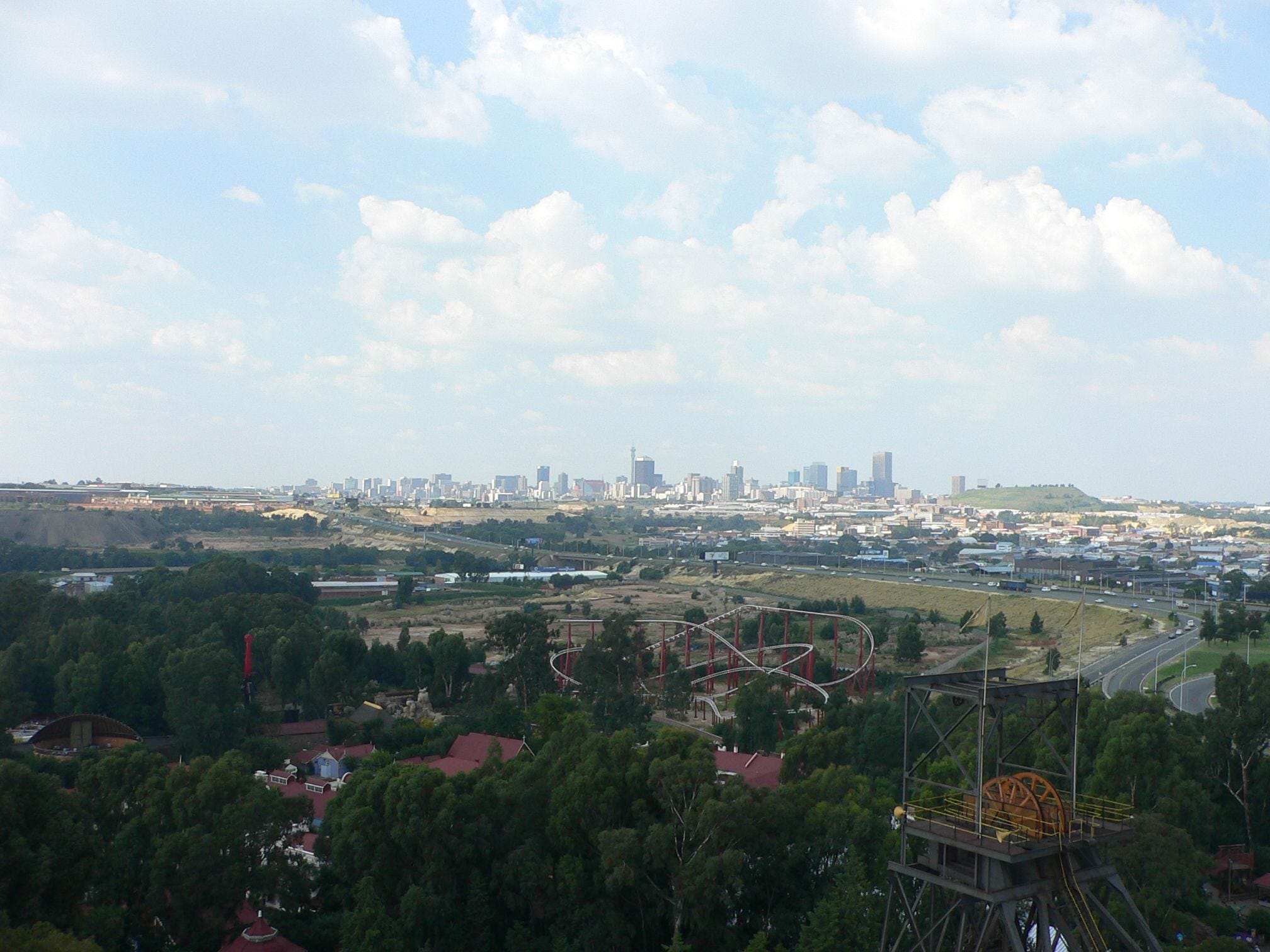
Gold Reef City did not replace Crown Mines. It grew around the mothballed No. 14 Shaft, one part of a much larger mine.
On 1 July 1909, Crown Reef, Crown Deep, Langlaagte Deep, Robinson Central Deep, South Rand, Paarl Central, Langlaagte Royal and further deep-ground interests were brought together. The amalgamation created one of the Witwatersrand’s largest mining undertakings. It brought together about 2,000 intact claims and 2,200 ha of freehold land, with combined milling capacity reported at about 137,700 tons a month.
Its labour system helped build Johannesburg: skilled and supervisory work reserved for white miners, with a far larger African migrant workforce housed in controlled compounds. In February 1920, Crown Mines workers joined about 70,000 African mineworkers in a strike across the Rand, demanding higher wages.
In 1941, a young Nelson Mandela arrived in Johannesburg and worked briefly at Crown Mines as a mine policeman, often remembered as a night watchman.
Underground mining ended in stages during the 1970s. By the late 1970s, No. 14 Shaft was mothballed. The later Crown Gold Recoveries surface operations were consolidated into DRDGOLD’s Ergo business in 2012.
But the place did not disappear. No. 14 Shaft remained. Heritage development began around it in the late 1970s; 1987 is generally given as Gold Reef City’s formal opening year. Hotels and a casino followed.
On a recent trip to Johannesburg, I made a pilgrimage back to Gold Reef City to see what had become of this piece of Crown Mines.
I am not convinced by the theme-park idea as a second life for a mine. The precinct has lost some of its sparkle.
But the precinct became more than a hotel, casino and theme park.
Beside it stands the Apartheid Museum. It emerged from the casino-licence process, backed by businessmen who had built part of their fortune on skin-lightening creams marketed to Black South Africans. The museum remains a place of deep remembrance.
And inside it is a red Mercedes-Benz.
NUMSA members at Mercedes-Benz’s East London plant built it in unpaid overtime for Nelson Mandela after his release in 1990. The same Nelson Mandela who, nearly fifty years earlier, had arrived in Johannesburg and briefly worked as a mine policeman at Crown Mines.
Crown Mines has several afterlives. One shaft became entertainment. Beside it, a museum remembers the system within which the mine operated. And inside that museum sits a car built by workers for a former Crown Mines employee who became South Africa’s first democratically elected president.
I am still not sure Gold Reef City answers the question #MiningIsHuman so often asks: what should a mine leave behind?
Perhaps no single place can.
In South Africa, the ironies of our past are intensely human.
#MiningIsHuman #Gold #SouthAfrica
ImageL CMallwitz, Public domain, via Wikimedia Commons