


Originally published on LinkedIn on 24 September 2026. This work is AI-assisted - read about how I work.
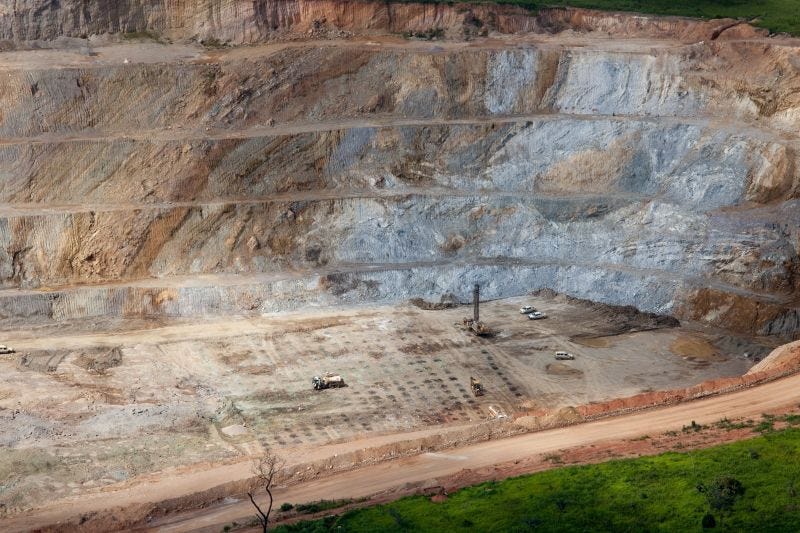
The mine takes its name from two communities in Lualaba Province. Tenke and Fungurume gave the ground its identity before any concession existed. What the ground produces now moves on a schedule neither of them set.
Communities in the Katangan Copperbelt were producing copper by the first millennium. By about the fourteenth century, cross-shaped Copperbelt ingots known as croisettes circulated over long distances, often as currency or stores of value. The Sanga were among the region’s recognised copper smelters, part of a tradition that long predates the modern mine.
Union Minière du Haut-Katanga, formed in 1906, held Katangan copper concessions for six decades. Mobutu’s government took over UMHK’s Congolese assets at the end of 1966. Its successor, GECOMIN, was created in 1967 and later became Gécamines. An international consortium tried to develop Tenke Fungurume in the 1970s, but abandoned the project in 1976. In late 1996, the Lundin Group entered a joint venture with Gécamines. The Second Congo War began in 1998. TFM declared force majeure in 1999; it was lifted in 2005, and development resumed in 2006.
Phelps Dodge approved development in 2006. Freeport-McMoRan absorbed Phelps Dodge in 2007 and inherited the stake. Copper production began in 2009. In 2016, CMOC paid US$2.65bn for Freeport’s 56% interest. In 2021, it approved another US$2.51bn to expand the mine. CMOC later consolidated the 24% interest Lundin Mining had sold to BHR. CMOC Group now holds 80%. Gécamines S.A. holds 20%. In 2023, CMOC agreed a US$2bn package to settle a reserves dispute with Gécamines.
By 2025, TFM was producing 519,000 tonnes of copper a year, making it the world’s second-largest copper mine by annual production, behind Escondida in Chile. Cobalt is recovered alongside the copper. Five production lines. A major employer in Lualaba. TFM reported more than 15,000 Congolese employees and contractors at the end of 2022.
On 22 February 2025, the DRC imposed a cobalt export ban. It extended the ban in June. CMOC-owned trader IXM declared force majeure on cobalt deliveries. In October, the ban became a quota system: CMOC was allocated 31,200 tonnes for export in 2026. In the nine months to September 2025, TFM and its sister site Kisanfu had already produced 87,974 tonnes of cobalt between them. The cobalt accumulated.
In June 2026, TFM workers went on strike for three days. Around the concession, TFM’s human-rights review estimated about 10,000 artisanal miners and recorded incursions into active mining and stockpile areas. In the same 2023 review, TFM managers estimated that Tenke’s population had grown from 8,000 to 90,000 over the preceding decade.
The mine carries the names of the communities that gave the ground.
The copper runs to market. The cobalt accumulates.