


Originally published on LinkedIn on 10 September 2026. This work is AI-assisted - read about how I work.
The ore beneath Sentinel averages just 0.44% copper.
First Quantum Minerals looked at that number and saw one of Zambia’s biggest new mines.
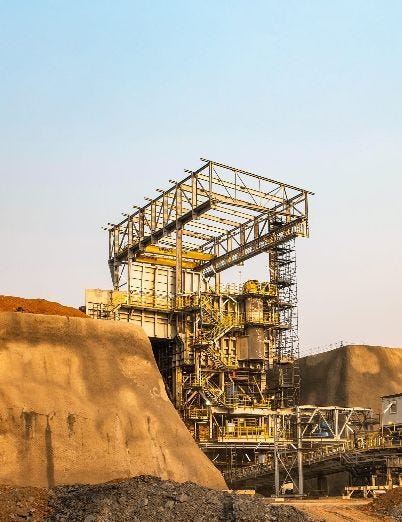
The thesis was scale. Put 55 Mt through the mill each year and a vast, low-grade orebody becomes economic. Sentinel would become the centrepiece of FQM’s Trident project and what the company describes as Zambia’s largest infrastructure investment since the Kariba Dam.
Its scale would also reshape the place in which it was built.
On 14 July 2011, Senior Chief Musele signed a surface-rights agreement with KML, FQM’s subsidiary. KML had sought 750 km². The agreement provided 518 km², leaving the balance for existing activities and future growth.
Satellite surveys identified 1,400 farmers and around 100 beekeepers. Zambia then had no statutory framework specifically governing industrial resettlement. FQM says it applied IFC performance standards through a consultative process involving government, traditional authorities, community representatives and World Vision.
Around 600 households were ultimately relocated into replacement homes reported at the time to be larger and better than those they replaced. FQM says a 2015 audit found that the process had largely exceeded resettlement best practice. External assessments were less positive: Swedwatch reported livelihood-restoration shortcomings among people it interviewed in 2018, while academic studies have found both social gains and continuing concerns around economic empowerment and participation.
Resettlement at this scale is among the hardest things a mine operator can be asked to do. Better houses are not enough. It is about livelihoods, communities and whether lives are ultimately better after the mine arrives than they were before it.
That question runs through #MiningIsHuman: what does mining leave behind?
These questions matter. So does what has happened since.
FQM reports US$70m invested in education, 635 tertiary students sponsored and programmes supporting 4,000 schoolgirls. It says Sentinel has created 7,000 jobs, more than 2,000 filled from host communities.
And a town grew with the mine. Kalumbila developed from dispersed rural settlements into a new centre of schools, services and local supply.
Meanwhile, FQM had committed US$2.1bn to making 0.44% work.
Construction began in June 2012, including 600 km of 330 kV transmission line built with ZESCO. President Edgar Lungu opened Sentinel on 28 August 2015.
Now the scale is becoming apparent.
Sentinel produced 50,335 t of copper in Q2 2026, despite a planned shutdown. FQM maintained 2026 guidance of 190,000–220,000 t.
Fifteen years after the Musele agreement, 0.44% no longer looks like an improbable copper grade.
At Sentinel, multiplied across enough rock, it looks enormous.
The important work around the mine continues too.